


Patient Newsletter – June 2026

Middle aged Caucasian male doctor wearing glasses shaking hands with senior Caucasian man sitting on examination table in medical office during urology consultation

Men: Your Health Matters

Many men tend to put their own health on the back burner, assuming serious medical issues won’t happen to them. Unfortunately, delaying preventive care or dismissing symptoms can allow treatable conditions to become more serious over time.

June is Men’s Health Month, a great reminder to make your health a priority. When it comes to urologic conditions, early detection and treatment can make a significant difference.

Prostate Cancer: Most men who are diagnosed with prostate cancer never expected it. A simple PSA blood test can help identify prostate cancer in its earliest stages, when treatment options are often most successful. If you’ve never had a PSA test or it’s been more than a year since your last screening, now is a good time to learn whether one is right for you.

Enlarged Prostate: Frequent urination, a weak urine stream, or difficulty emptying your bladder are common symptoms of benign prostatic hyperplasia (BPH), also known as an enlarged prostate. While many men assume these changes are a normal part of aging, untreated BPH can lead to bladder and urinary complications. The good news is that a variety of effective BPH treatment options are available. Take this quiz below to evaluate your symptoms.

BPH SYMPTOMS QUIZ

Sexual Health: Concerns such as erectile dysfunction, Peyronie’s disease, and low testosterone are more common than many men realize. These conditions can affect confidence, relationships, and overall quality of life, but effective treatments are available. Our team works with men every day to provide personalized care and help them regain confidence and well-being.

The bottom line? Don’t ignore changes in your health. Seeking care early may help prevent more serious problems down the road.


REQUEST AN APPOINTMENT

Young woman driving a car and enjoying a beautiful view in nature.

On the Road with OAB

Travel should be about making memories—not worrying about the nearest restroom. Yet for millions of people living with overactive bladder (OAB), bladder symptoms can make vacations, road trips, and even everyday outings feel more challenging than they should.

The good news is that OAB is a common condition, and there are many effective ways to manage it.

If you’re traveling with OAB, a little planning can go a long way:

  • Map out restroom stops before traveling.
  • Limit bladder irritants such as caffeine and alcohol, especially before long drives or flights.
  • Pack essentials like absorbent products and a spare set of clothing, just in case.
  • Remember to bring any medications you take to help control OAB symptoms.

While these tips can make travel easier, it’s important to remember that frequent urination, urgency, and leakage are not symptoms you have to live with. Help is available. Today’s treatment options range from lifestyle modifications and pelvic floor therapy to medications and advanced therapies that can significantly improve quality of life.

If overactive bladder is affecting your confidence, daily routine, or travel plans, consider speaking with a urology specialist. The right treatment plan can help you spend less time worrying about restroom access and more time enjoying wherever life takes you.

OAB SYMPTOMS QUIZ

Close up portrait of mature man wearing cap sitting at a lake and looking at a view. Senior caucasian man with beard.

Understanding BPH: Treatment Options for an Enlarged Prostate

An enlarged prostate, also known as benign prostatic hyperplasia (BPH), affects millions of men and becomes increasingly common with age. While BPH is not cancerous, it can significantly impact daily life by causing urinary symptoms such as frequent bathroom trips, urgency, a weak urine stream, difficulty starting urination, or waking up multiple times during the night.

Fortunately, men have more treatment options than ever before. Depending on the severity of symptoms, treatment may begin with lifestyle modifications or medication to help improve urinary function and reduce discomfort.

For men seeking an alternative to traditional surgery, minimally invasive procedures may provide effective, long-lasting relief. One such option is prostate artery embolization (PAE), a treatment that reduces blood flow to the prostate, allowing it to gradually shrink. Because PAE is performed through a small catheter rather than an incision, patients typically experience less downtime and a quicker recovery compared to more invasive surgical procedures. For now, the PAE procedure is only covered by Medicare.

If urinary symptoms are disrupting your sleep, daily activities, or overall quality of life, don’t assume it’s simply a normal part of aging. Talk with your urology provider about the range of treatment options available and which approach may be best suited to your needs.

Welcome, Adam Edelson!

We are thrilled to welcome our new VP of Operations, Adam Edelson! Adam is from the Greater Philadelphia area and joined MidLantic Urology and Keystone Urology Specialists on June 1. He will oversee our day-to-day operations, supporting our staff and patients. As an integral part of MidLantic & Keystone, Adam will focus on continuing our mission to provide state-of-the-art care with the latest technology and the best providers in the region.

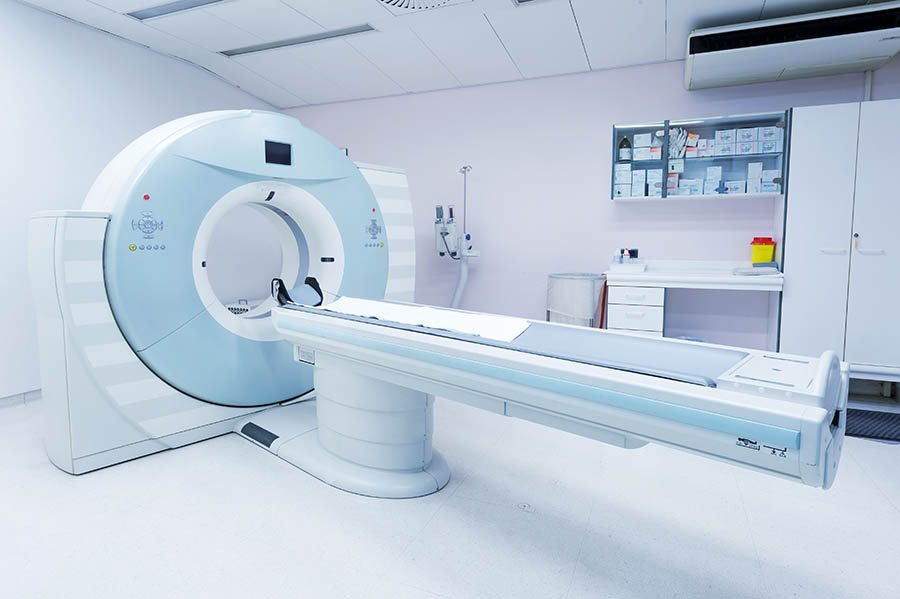
CT - Computerized Tomography Scan Device in Hospital. Medical Equipment and Health Care.

Remarkably Precise Scans for Cancer and Urologic Conditions

At MidLantic Urology and Keystone Urology Specialists, we offer advanced PET/CT imaging to help detect, monitor, and guide treatment for a variety of urologic conditions. These highly specialized scans provide detailed insight into how your body is functioning at the cellular level, often identifying concerns earlier than traditional imaging.

The PSMA PET/CT scan for prostate cancer can:

  • Locate cancer in your prostate and in other parts of the body if it has spread.
  • Monitor the effectiveness of treatments for prostate cancer.
  • Plan treatment for newly diagnosed or recurrent prostate cancer.

The FDG PET/CT scan assists in detecting, staging, and treating a variety of cancers and urologic conditions, including:

  • Renal cell carcinoma
  • Bladder cancer
  • Urothelial carcinoma
  • Adrenal malignancies
  • Testicular germ cell tumors
  • Other genitourinary cancers

Learn more about the imaging services at MidLantic and Keystone, and how they are performed.

Cheerful mature couple drinking water and relaxing in the kitchen at home

Why Water Matters

Did you know that something as simple as staying hydrated may help protect your urinary health?

Chronic dehydration can increase your risk of kidney stones, urinary tract infections, bladder irritation, and even kidney disease.

Your urinary system depends on water to flush out waste and function properly—and a few small changes can make a big difference. Read our blog to find out how simple hydration habits can support lifelong urologic health.